In the process of obtaining a building permit · 2026 / Public projects
Park in Bratkowice
Bratkowice, Subcarpathian region · 2026
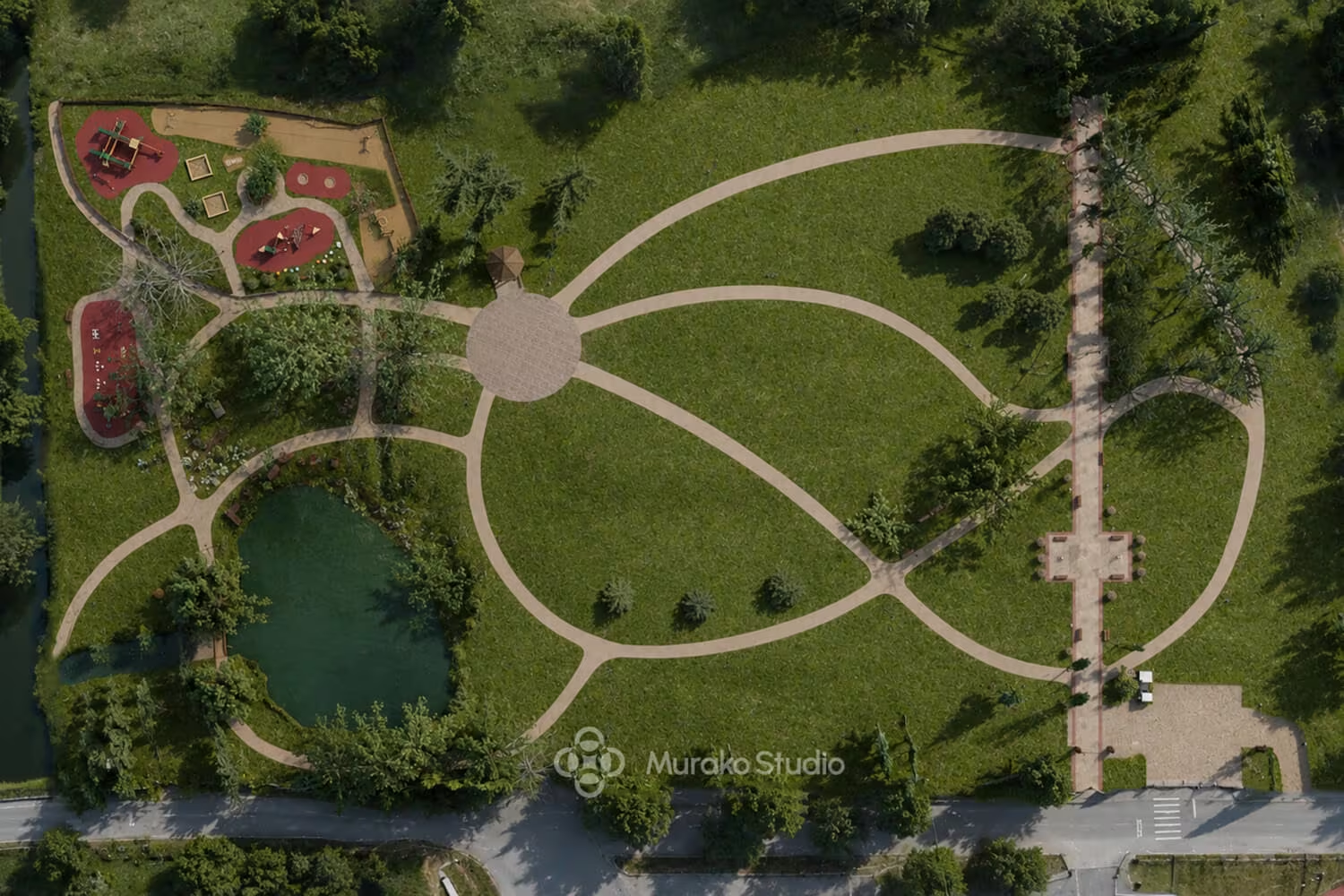
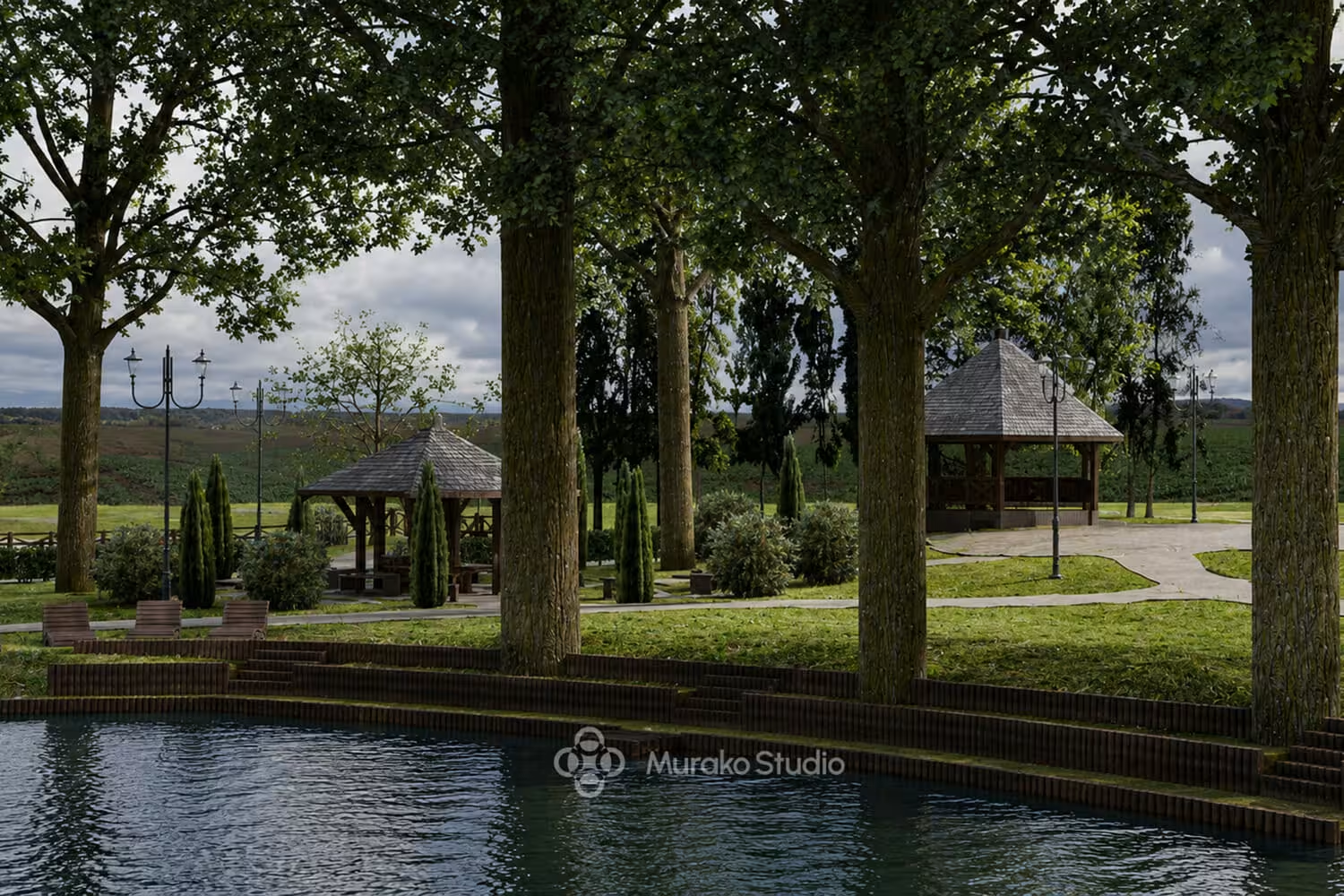
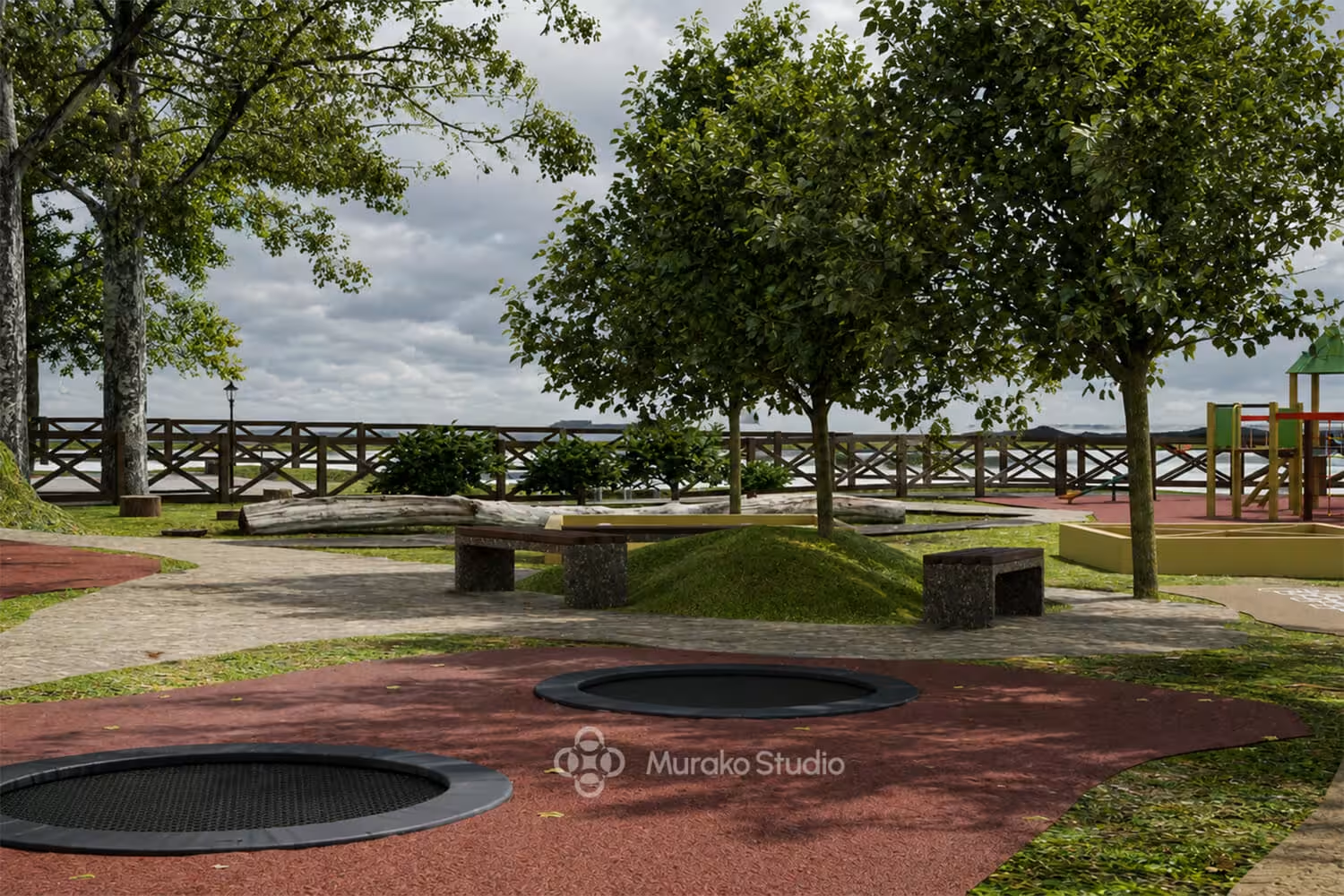
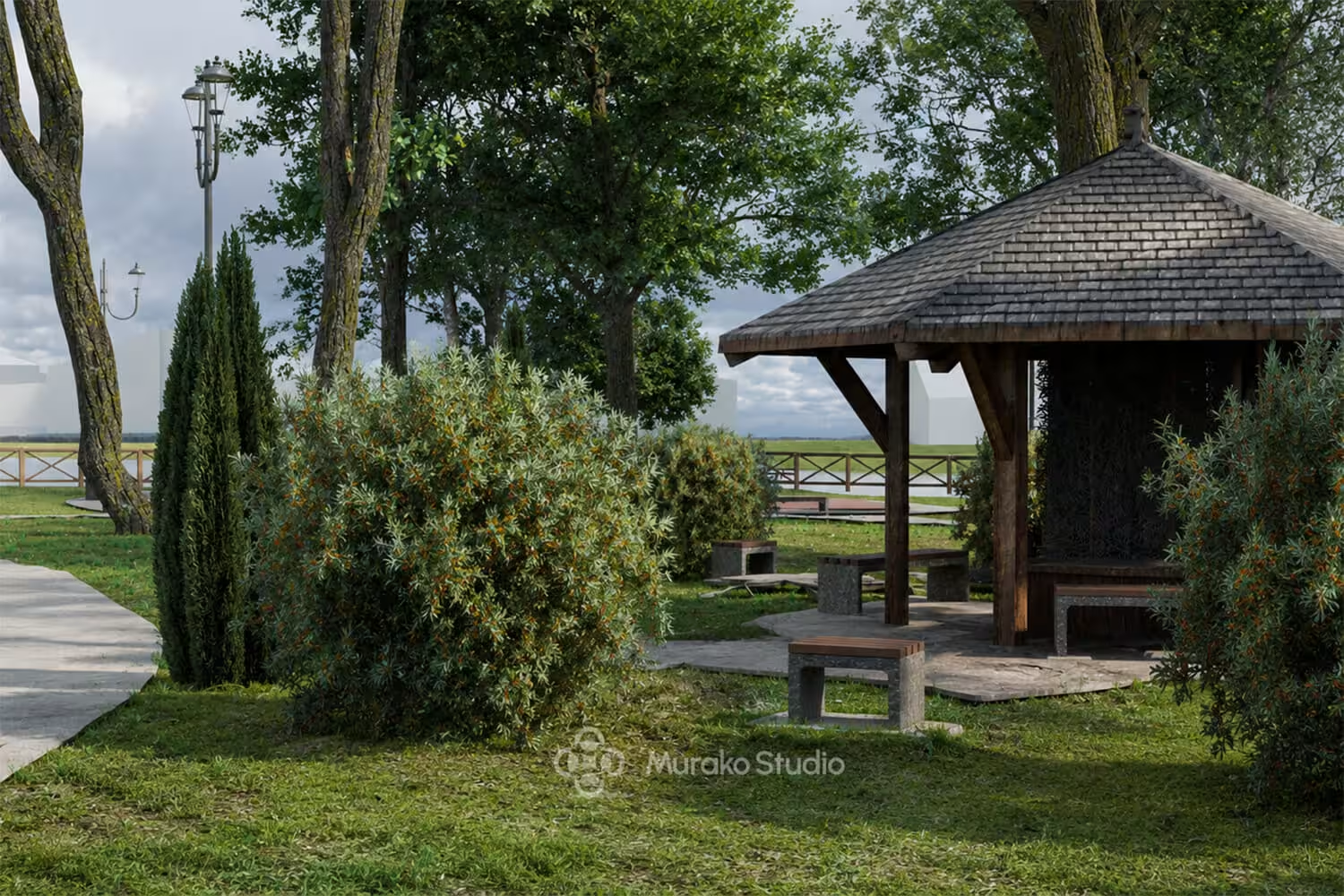
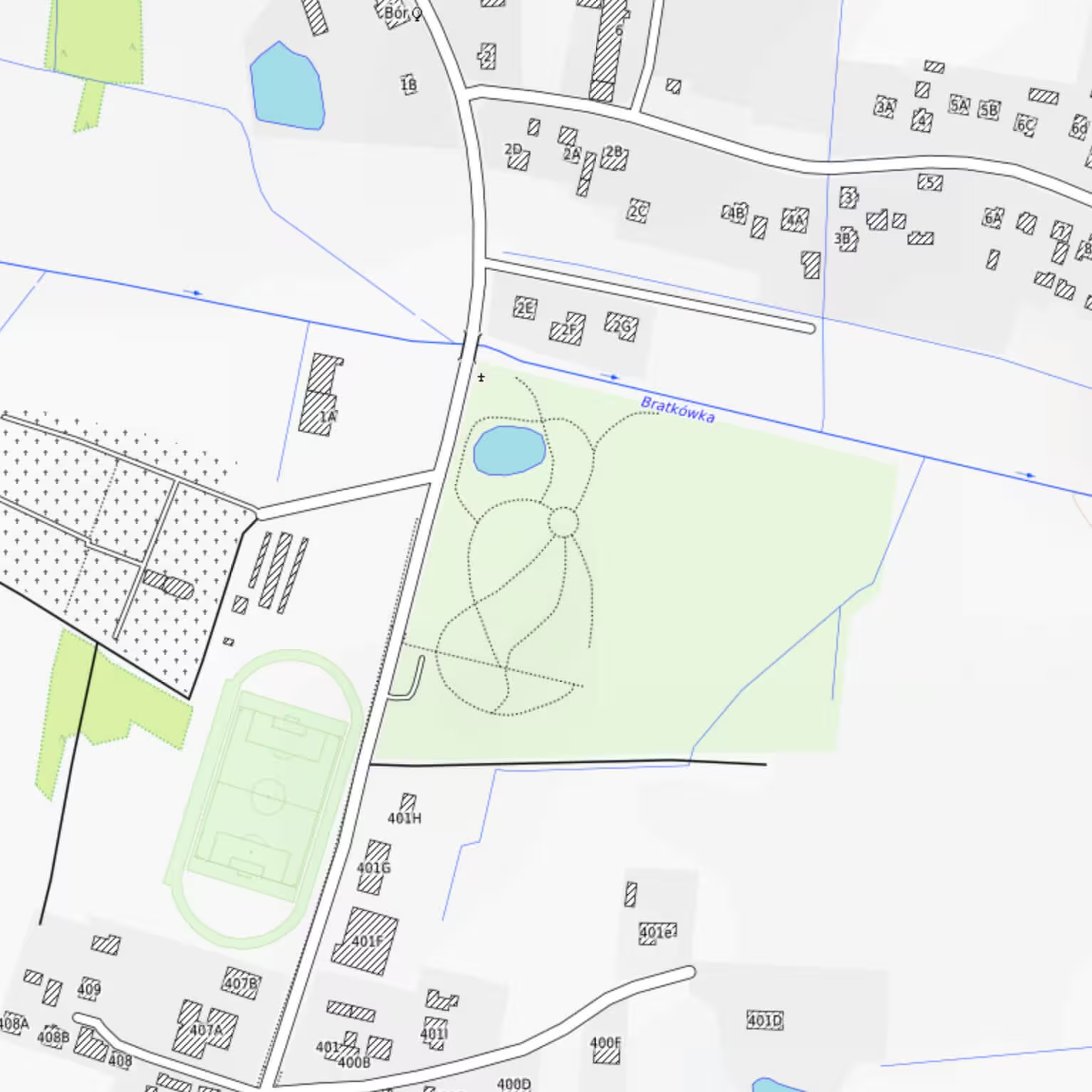
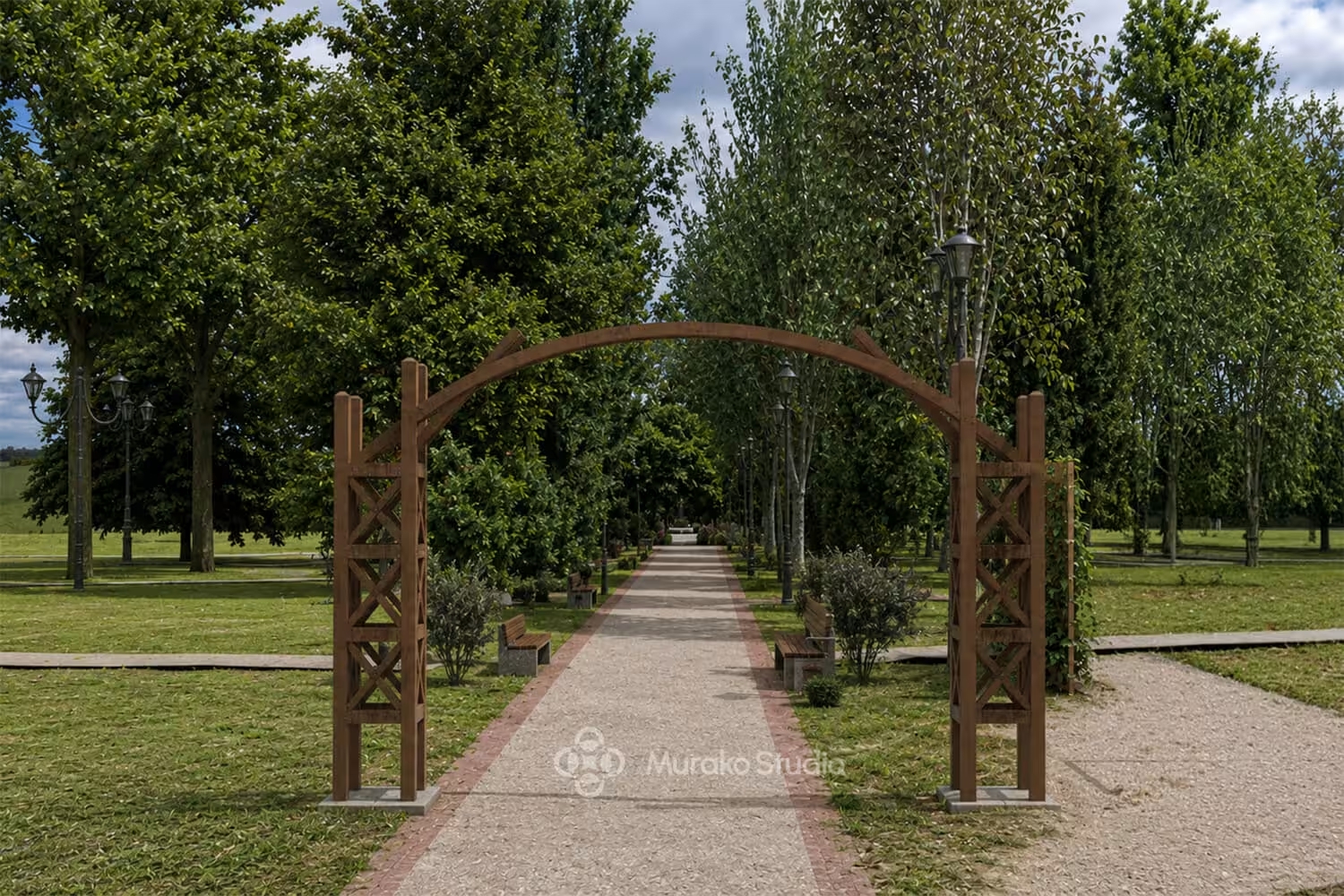
The revitalization of this historic park, listed in the register of monuments, encompasses the entire design process—from site surveys and analysis, through concept development, to construction, technical, and implementation design, as well as authorial supervision. The scope of work includes landscaping, path layouts, and recreational spaces while respecting the historic character of the site. Some solutions are being implemented in stages, in subsequent phases of the project.
The stages this project went through — filled dots mark the ones already completed.
01 Plot Analysis
02 Design & Permit
03 Execution Documentation
04 Supervision
What happened at each stage
01 Plot Analysis
On-site inspection, photographic inventory, analysis of historical archival materials and consultations with the investor.
02 Design & Permit
Development of the concept and multi-discipline design documentation, conservation arrangements and industry coordination, development of documentation for the administrative procedure.
03 Execution Documentation
Detailed implementation documentation is being prepared, including the material and technical solutions necessary to implement the investment.
04 Supervision
The project also includes project supervision. It is awaiting implementation.
About this project
Working on the revitalization project for this historic park, listed on the National Register of Historic Places, was an attempt to find a balance between nature, history, and the contemporary needs of its residents. From the outset, we knew it wasn't just about designing new paths or installing small architectural features. The greatest challenge was to create a space that would appear natural—as if all the new elements had always been a part of the space.
The park's historic character required exceptional design attention and a strict adaptation of solutions to the existing composition and the area's historical values. At the same time, we had to contend with technical constraints, the challenging terrain, and the need to protect the mature trees. In many areas, the design was the result of compromises between aesthetics, functionality, and the preservation of existing greenery.
We also wanted the park to be more than just a restored historical space, but a place that truly meets the needs of contemporary users. We created spaces for relaxation, meetings, and everyday use—for children, families, and those seeking a moment of peace and quiet amidst the greenery.
The result is a park that retains its historic character while regaining its functionality and a new quality of public space. Subtle, orderly, and designed to serve residents well for years to come.
Team
Project team
01 / MARTA
Marta
Architect, co-owner
Co-founder of the Murako studio. She is responsible for project management and coordination of the design process. In architecture, she is most interested in functionality, spatial clarity, and solutions that work well in everyday use. She believes that a building's timelessness stems primarily from well-designed function, not passing aesthetic trends.
Outside of work, she is passionate about photography, learning Japanese, and experimenting with baking.
02 / KINGA
Kinga
Architect, co-owner
Co-founder of the Murako studio, she specializes in commercial architecture—industrial and service projects, as well as development investments. As a licensed architect with extensive experience in coordinating design processes, she prioritizes solutions grounded in investment realities, functionality, and architectural coherence.
She pays particular attention to detail and the quality of materials, believing that these are what build a project's lasting value. In addition to architecture, she also designs her own applied art.